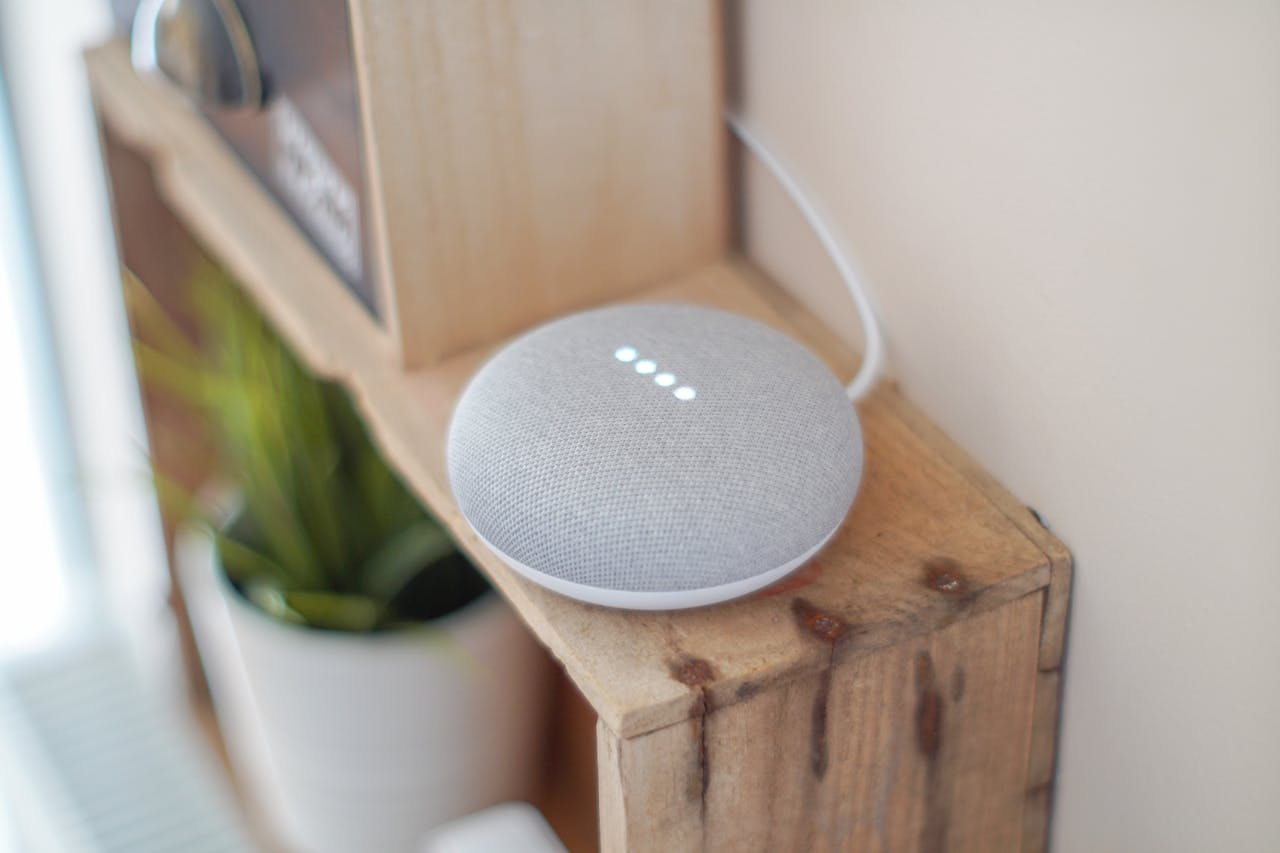


Smart home technologies are rapidly changing the way we experience daily life. The rise of the Internet of Things (IoT) has enabled various devices and systems to communicate with each other, enhancing convenience, security, and energy efficiency in our homes. From smart speakers and thermostats to advanced security systems and automated lighting, these technologies are reshaping our living environments.
One of the most significant transformations is the ability to control home appliances remotely. With the help of smartphones and dedicated apps, users can manage their home environment from virtually anywhere. This capability not only saves time but also provides peace of mind, particularly for those who travel frequently or have busy schedules. For instance, being able to check security cameras or adjust the thermostat while away from home can alleviate worries about safety and energy consumption.
Moreover, smart home technologies contribute to a more sustainable lifestyle. Many devices are designed to optimize energy usage, which can lead to lower utility bills and reduced environmental impact. Smart thermostats, for example, learn your habits over time and adjust heating and cooling settings accordingly, ensuring that energy is not wasted when it’s not needed. This aligns well with the growing global emphasis on sustainability and responsible energy consumption.
Additionally, these technologies promote accessibility for individuals with disabilities or the elderly. Voice-activated systems allow users to control various aspects of their home without the need for physical interaction. This can enhance the quality of life for many, providing independence and ease of use in daily tasks.
With the rapid evolution of smart home technologies, the integration of artificial intelligence is also becoming more prevalent. AI algorithms can analyze user behavior, predict needs, and automate tasks, further enhancing the convenience and efficiency of smart homes. As these technologies continue to develop, they promise to bring even more significant changes to our everyday lives.
Key Features of Smart Home Technologies
Smart home technologies offer a plethora of features that cater to the diverse needs of modern homeowners. Among these features, automation stands out as a game-changer. Automation allows for the scheduling and programming of devices to perform tasks at specific times or in response to particular triggers. For example, lights can be programmed to turn on at sunset, or coffee makers can start brewing at a designated time in the morning.
Another essential aspect of smart home technologies is security. Smart security systems can include video cameras, doorbell cameras, motion sensors, and smart locks. These systems provide real-time alerts and remote access, enabling homeowners to monitor their property from anywhere. In addition, many smart security solutions come with features like facial recognition and geofencing, enhancing security further.
Energy management is also a crucial feature of smart home technologies. Smart meters and appliances help homeowners track and optimize their energy consumption. For instance, smart thermostats can learn your schedule and adjust heating and cooling accordingly, ensuring comfort while minimizing energy use. This not only saves money but also contributes to reducing the carbon footprint.
Moreover, entertainment has been revolutionized by smart home technologies. Smart speakers and home theaters can be controlled with voice commands, providing a seamless entertainment experience. Users can play music, watch movies, and even control the lighting all through simple voice interactions. This integration of technology makes entertainment more accessible and enjoyable.
Smart home technologies also promote health and wellness. Devices like air quality monitors, smart humidifiers, and sleep trackers help individuals maintain a healthier living environment. For example, a smart air quality monitor can alert users when pollutants are detected, prompting them to take action to improve indoor air quality. This focus on health and wellness is becoming increasingly important in our lives.
Advantages of Adopting Smart Home Technologies
The adoption of smart home technologies comes with several advantages that significantly enhance the overall living experience. One of the most notable benefits is the convenience they offer. With the integration of various devices and systems, tasks that once took time and effort can now be completed with a simple voice command or a tap on a smartphone. This convenience can lead to a more relaxed and efficient lifestyle.
Furthermore, smart home technologies enhance security measures. The ability to monitor your home remotely provides peace of mind. Homeowners can receive alerts about unusual activities, ensuring they are always aware of their surroundings. Additionally, features like smart locks allow users to grant access to visitors remotely, eliminating the need for physical keys.
-
Improved Energy Efficiency: Smart devices often utilize energy-saving modes and optimize usage patterns, leading to lower utility bills.
-
Enhanced Accessibility: Voice-controlled devices make it easier for individuals with disabilities to manage their homes independently.
-
Increased Property Value: Homes equipped with smart technologies can attract potential buyers, increasing market value.
-
Customization: Users can tailor their smart home systems to suit their preferences, creating a personalized living environment.
Additionally, smart home technologies can contribute to a healthier lifestyle. With devices that monitor air quality and promote physical activity, homeowners can create a more health-conscious living space. This proactive approach to health is becoming increasingly important as people seek to improve their overall well-being.
Moreover, the connectivity of smart home technologies allows for integration with other smart systems. For instance, a smart thermostat can work in conjunction with a smart lighting system to create an optimal living environment based on the time of day. This level of integration enhances the overall functionality and enjoyment of the home.
The Future of Smart Homes
The future of smart homes looks promising, with advancements in technology set to bring even more innovations. As artificial intelligence continues to evolve, smart home devices will become more intuitive and capable of learning from user behaviors. This will lead to a more personalized experience, where devices anticipate needs and make automated adjustments without user input.
Furthermore, the expansion of 5G technology will enhance the connectivity of smart devices, allowing for faster communication and more reliable performance. This will enable more devices to be connected simultaneously, enhancing the capabilities of smart home systems. The widespread availability of high-speed internet will also facilitate the adoption of smart home technologies in more households.
As concerns over privacy and security grow, manufacturers will need to prioritize safety features in their devices. Users will demand more transparency and control over their data, leading to advancements in security protocols and user privacy options. This focus on security will be crucial in gaining consumer trust and ensuring the continued growth of the smart home market.
Moreover, as sustainability becomes a critical global issue, smart home technologies will play a vital role in promoting energy efficiency and reducing environmental impact. Innovations in renewable energy integration and smart grid technology will enable homes to produce and manage their energy consumption more effectively. This aligns with the increasing emphasis on eco-friendly living and sustainable practices.
In conclusion, smart home technologies are not just a trend; they represent a significant shift in how we live. As these technologies continue to develop and integrate into our daily lives, they promise to enhance convenience, security, and sustainability. Homeowners can expect a future where their living spaces are not only smarter but also more attuned to their needs and preferences.