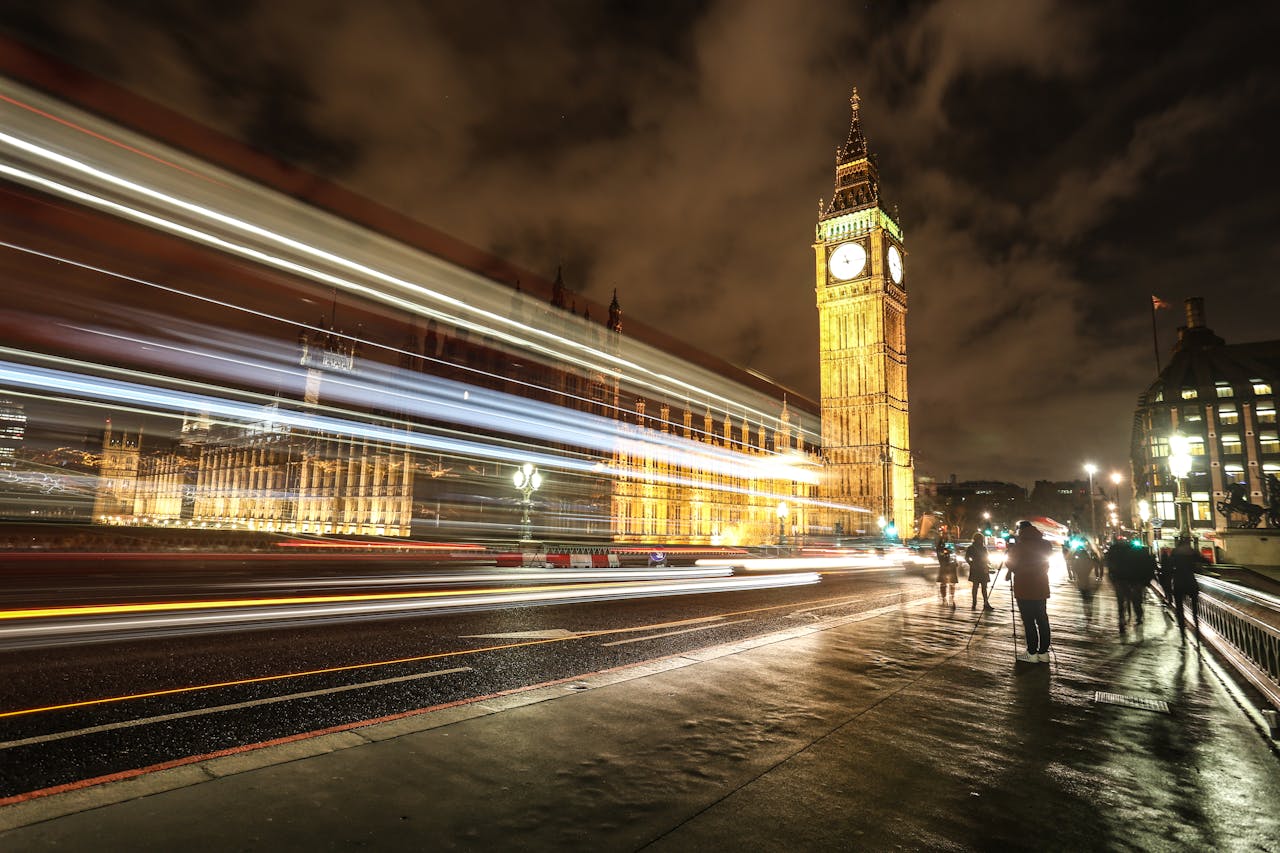


London, a city steeped in history and tradition, attracts millions of tourists each year, drawn by its iconic landmarks and rich cultural heritage. The historic sites in London are not just remnants of the past; they serve as vibrant centers of activity, storytelling, and exploration. From the Tower of London to Westminster Abbey, each site offers a unique glimpse into the city’s evolution over centuries. These attractions are essential in shaping the city’s identity and contribute significantly to its global appeal.
The history of London is intertwined with the development of its famous sites. This deep historical relevance is one of the primary factors that entice visitors. Tourists from around the world come to experience the narratives tied to these landmarks. The Tower of London, for instance, has served various roles, from royal palace to prison, and is now a UNESCO World Heritage Site. Such significance makes it a must-visit location for history buffs and casual visitors alike.
Moreover, the architectural grandeur of London’s historic sites captivates the imagination. The Gothic spires of Westminster Abbey, the imposing structure of the Houses of Parliament, and the medieval charm of the Tower Bridge are just a few examples of the city’s architectural wonders. These structures not only showcase the artistry of different eras but also serve as backdrops for various cultural events and ceremonies, further enhancing their allure.
In addition to the historical and architectural significance, London’s historic sites are well-integrated into the urban landscape. They are easily accessible via public transport, allowing tourists to navigate the city efficiently. The convenience of accessing these sites encourages more visitors to explore the city’s rich offerings. Furthermore, many historic sites host special events, exhibitions, and guided tours, enriching the visitor experience. This dynamic approach ensures that even repeat visitors can discover something new with each trip.
The promotional efforts of London’s tourism board also play a pivotal role in attracting tourists. Campaigns that highlight the city’s historic charm, coupled with social media marketing, have made these sites more visible to a global audience. The enchanting stories behind each landmark are shared through various platforms, igniting the curiosity of potential travelers.
Ultimately, the combination of history, architecture, accessibility, and effective marketing strategies ensures that London’s historic sites continue to be major tourist attractions year after year. As the city evolves, these landmarks remain at the heart of its identity, welcoming millions who wish to experience the rich tapestry of London’s past.
The Impact of Cultural Heritage on Tourism
Cultural heritage is a significant driver of tourism in London. The city is home to a wealth of historic sites that embody the stories of its past inhabitants. Tourists are not merely visiting buildings; they are engaging with history and culture. Sites such as the British Museum, which houses artifacts from around the world, are perfect examples of how London’s cultural heritage can attract a diverse audience.
One of the most appealing aspects of London’s historic sites is their ability to connect visitors to the past. The stories told through guided tours, exhibitions, and interactive displays create an immersive experience that resonates with tourists. For example, the Tower of London offers an insight into the lives of kings, queens, and commoners, allowing visitors to walk in the footsteps of history. This connection to the past fosters a sense of curiosity and admiration, which encourages tourists to learn more about the city’s history.
Moreover, London’s historic sites often serve as venues for cultural events, performances, and festivals. These activities breathe new life into the landmarks, making them relevant to contemporary audiences. Events such as the Changing of the Guard at Buckingham Palace or the annual Trooping the Colour ceremony draw huge crowds, blending history with modern-day celebrations. Such events not only attract tourists but also engage locals, fostering a sense of community and pride in the city’s heritage.
Additionally, the preservation of these historic sites plays a crucial role in attracting tourists. Organizations dedicated to conserving London’s historical landmarks ensure that they remain in excellent condition for future generations to enjoy. Efforts to maintain and restore these sites demonstrate a commitment to preserving cultural heritage, which resonates with environmentally conscious travelers who value sustainability.
Tourism in London also benefits from the city’s strategic location, making it easily accessible from various parts of the world. Direct flights to major airports and an extensive public transportation system enable tourists to reach historic sites with ease. The convenience of travel encourages more visitors to explore London’s cultural offerings, further boosting tourism.
Finally, the collaboration between the public and private sectors to promote tourism in London has proven to be effective. Initiatives that encourage partnerships with local businesses, hotels, and restaurants enhance the overall visitor experience. By providing packages that include entry to historic sites and accommodations, tourists are more likely to engage with the city’s heritage while enjoying modern comforts.
Famous Historic Sites and Their Unique Attractions
London boasts numerous historic sites, each with its own unique appeal. Some of the most notable include:
-
The Tower of London: This iconic fortress offers a glimpse into royal history, housing the Crown Jewels and providing a haunting narrative of its past.
-
Westminster Abbey: A site of royal ceremonies and burials, this magnificent church is an architectural marvel and a UNESCO World Heritage Site.
-
The British Museum: Home to a vast collection of world art and artifacts, this museum invites visitors to explore global cultures and histories.
-
Buckingham Palace: The official residence of the British monarch, this palace captivates visitors with its stunning architecture and the famous Changing of the Guard ceremony.
-
The Houses of Parliament: This iconic building, with its distinctive clock tower, is a symbol of British democracy and offers guided tours for those interested in politics.
Each of these sites exemplifies the blend of history, culture, and architecture that defines London. Tourists are often drawn to the stories behind these landmarks, which have witnessed significant historical events. The Tower of London, for instance, has served as a royal palace, fortress, and prison, making it a focal point for those interested in the darker aspects of history.
Westminster Abbey, on the other hand, is known for its stunning Gothic architecture and is the site of royal weddings, coronations, and funerals, making it a popular location for those wishing to witness British traditions. Visitors can explore the abbey’s intricate chapels and memorials, immersing themselves in the legacy of the British monarchy.
The British Museum stands out for its vast collection that spans centuries and continents. Its exhibits allow tourists to engage with history in an interactive way, making it a favorite among families and school groups. The museum often hosts special exhibitions that attract both local and international visitors.
Buckingham Palace, as a working palace, fascinates visitors with its ceremonial events. The Changing of the Guard ceremony is a highlight for many tourists, showcasing British pomp and pageantry. The palace opens its doors to the public during the summer months, allowing visitors to explore the State Rooms and learn more about the royal family.
Finally, the Houses of Parliament represent the heart of British politics. Guided tours provide insight into the workings of the UK government, making it a must-visit for those interested in political history. The iconic architecture of the building and the famous Big Ben clock tower add to its appeal.
Innovative Strategies for Enhancing Visitor Experience
To maintain its status as a top tourist destination, London continuously seeks innovative strategies to enhance the visitor experience at its historic sites. One of the most significant trends is the integration of technology into the tourism experience. Many historic sites now offer interactive apps and virtual reality experiences that allow visitors to engage with the history in new ways.
For example, the Tower of London has implemented augmented reality features that allow guests to see historical events unfold before their eyes. This technology enhances the storytelling aspect of the visit, making it more engaging and informative. Visitors can use their smartphones to access additional content, such as videos and audio guides, enhancing their overall experience.
Another innovative strategy involves collaborations with local artists and performers. Historic sites often host exhibitions and performances that blend art with history. These events attract a wider audience and create a vibrant atmosphere that encourages visitors to spend more time exploring. For instance, the British Museum may host live performances or interactive art exhibits that resonate with its collections, creating a multi-dimensional experience for tourists.
Moreover, many historic sites are focusing on sustainability and eco-friendly practices. Initiatives such as reducing plastic usage, promoting public transport, and implementing recycling programs appeal to environmentally conscious travelers. This commitment to sustainability enhances the reputation of these sites and attracts visitors who prioritize eco-friendly tourism.
Additionally, improving accessibility is a key focus for many historic sites. Ensuring that all visitors, regardless of physical ability, can enjoy the attractions is essential. Many sites are implementing measures such as ramps, audio guides, and tactile exhibits to accommodate everyone. This inclusivity not only broadens the audience but also enriches the overall visitor experience.
Finally, enhancing customer service through staff training is crucial for improving visitor satisfaction. Knowledgeable and friendly staff can significantly impact a tourist’s experience, making them feel welcome and valued. Training programs that focus on customer engagement and historical knowledge empower staff to provide a memorable experience for guests.
The Future of London’s Historic Tourism
As London continues to evolve, the future of its historic tourism looks promising. The city’s commitment to preserving its heritage while embracing modern developments is key to attracting future generations of tourists. Innovative technologies, sustainable practices, and a focus on inclusivity will play a vital role in shaping the visitor experience.
Moreover, the ongoing efforts to promote cultural exchange and understanding through tourism will help maintain London’s status as a global leader in attracting visitors. By showcasing the interconnectedness of its history with contemporary issues, London can engage tourists on a deeper level, fostering appreciation for its diverse heritage.
Collaboration with international tourism boards and cultural organizations will also enhance London’s global reach. Joint initiatives that highlight the significance of historic sites can lead to increased awareness and interest among potential travelers. By leveraging social media and digital marketing, London can effectively communicate its unique offerings to a broader audience.
Ultimately, the preservation of London’s historic sites is essential for the city’s identity and tourism industry. As these landmarks continue to tell their stories, they will remain a vital part of the tourist experience. The rich tapestry of London’s past will attract millions of visitors for years to come, ensuring that the city remains a beloved destination for those eager to explore its history.